
Who didn’t hear about Spirulina?
But how many know of us do actually know what’s this miraculous little green blue color supplement?
I’ve been taking Spirulina supplements for almost a decade.
Of course I do take breaks from it, but for more of 300 days a year it’s part of my journey towards health.
I came across spirulina in 2017 when I was diagnosed with Epstein Barr Virus. (EBV).
Someone recommended me the book called Medical Medium, by Anthony William. In many pages he talks about the miraculous power of spirulina.
This book has been a life changing for me.
Why did I start taking Spirulina
The main reason I introduced Spirulina into my life was due to it’s powerful properties of removing heavy metals of my body, mercury detox and trying to naturally kill the EBV.
For those who don’t know what EBV means, Let me clarify on a few words.
In his book Medical Medium, Anthony William describe the Epstein Barr as a type of virus responsible for mystery illnesses like chronic fatigue syndrome, thiroid deasese, tinnitus. He mentions that there are over 60 varieties of EBV.
Before I explain why I take Spirulina every day, let’s delve into the power of this superfood.
What is Spirulina?
Spirulina is a type of blue-green algae that grows in fresh or salt water. It’s been used for centuries by ancient cultures like the Aztecs.
Today, it’s known as one of the most nutrient-packed foods on the planet.
The main nutrients found in Spirulina:
Just one spoonful of spirulina powder is loaded with:
- Protein
- Iron
- B vitamins
- Antioxidants
- Essential amino acids
It’s often called a “superfood” for good reason—it gives your body a lot of goodness in a very small dose.
It’s a Brain & Body Booster
Spirulina is often used to support:
- Energy levels
- Immune function
- Skin health
- Heart health
- Detoxification
How it supports anti-aging?
Aging is natural, but how we age can be influenced by what we eat.
Spirulina supports healthy aging in a few ways:
- Fights oxidative stress: Spirulina is rich in antioxidants like phycocyanin, which help protect your cells from damage caused by free radicals—the little troublemakers linked to aging skin and tired bodies.
- Supports collagen production: Some studies show spirulina may help boost collagen, keeping your skin firm and smooth.
- Reduces inflammation: Chronic inflammation is tied to aging and disease. Spirulina’s anti-inflammatory properties help calm your system from the inside out.
- Protects skin from UV damage: Preclinical research suggests spirulina may help shield skin cells from sun-related stress and slow down signs of aging.
What Does the Research Say?
Scientists have been digging into spirulina’s benefits for years. Here are a few highlights:
- A study published in Journal of Medicinal Food found spirulina helped improve immune function and reduce oxidative stress in both animals and humans.
- Research shows spirulina’s antioxidants can protect DNA and skin cells from damage, which may slow down visible signs of aging.
- Its unique pigment, phycocyanin, is being studied for its ability to fight inflammation and support healthy skin.
How can you consume it?
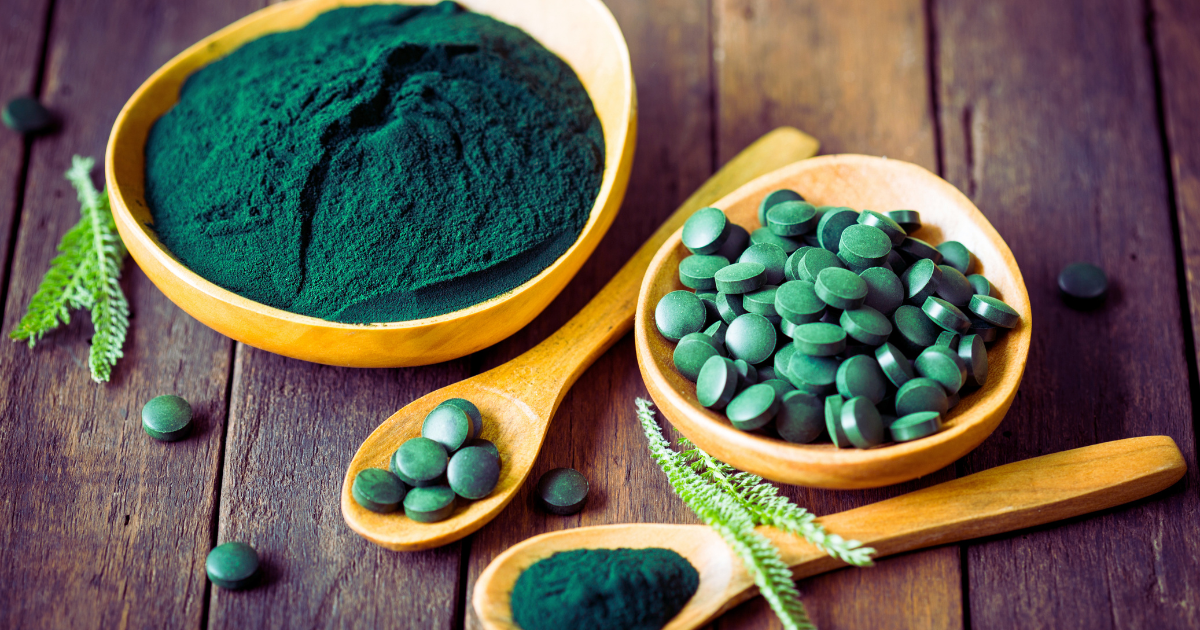
It is available as a tablet or powder supplement.
How to Add Spirulina to Your Routine
The best part? Spirulina is super easy to use. Here are a few quick ways to sneak it into your day:
- Smoothies: Add ½ teaspoon to your morning blend for a green boost.
- Energy balls: Mix it into homemade snacks with dates, oats, and nuts.
- Water or juice: Stir a small amount into lemon water or apple juice.
- Sprinkle on salads: A light dusting adds color and nutrients.
- Capsules or tablets: If the taste isn’t your thing, supplements are a great option.
I recommend starting small because spirulina has a strong flavor, so ease into it and see what works best for you.
And remember that wellness is about all the small steps you take every day. So, whether you’re looking to support your skin, boost your energy, or simply add more nutrients to your plate, spirulina is worth trying.